
When you are buying lithium batteries for your business, you see many specifications. One of the most common is “Ah,” or Amp-hours. It is very tempting to think that a higher Ah number is always better. In the world of LiFePO4 batteries, higher capacity often means a longer run time. But is it always the right choice for your specific application? The answer is not a simple “yes.”
At Yauneidak, we manufacture high-performance lithium batteries. We help our B2B clients choose the right power solutions every day. This guide will help you understand the true meaning of Ah. We will look at when a higher Ah battery is better, and when it might cause problems for your project.
What Exactly is Ah (Amp-hours)?
First, let’s define Ah. Ah stands for Amp-hours. It is a measurement of a battery’s energy capacity. Think of Ah as the size of a fuel tank. A larger fuel tank allows a vehicle to drive a longer distance before it needs to refill. Similarly, a battery with more Ah can supply a certain amount of current for a longer period.
For example, a 100Ah battery is designed to deliver 100 Amps of current for one hour. Or, it can deliver 10 Amps for 10 hours. The core benefit of higher Ah is extended run time. If your primary goal is to keep your equipment running as long as possible on a single charge, then a higher Ah battery is a strong candidate.
When is a Higher Ah Battery Better?
There are many situations where maximizing Ah capacity is the best strategy. These applications prioritize endurance and independence from the grid. Let’s look at a few clear examples.
1. Solar Energy Storage Systems (ESS)
For home or industrial solar storage, high Ah is crucial. You collect energy during the day to use at night or during power outages. A higher Ah battery allows you to store more energy. This gives you greater energy independence and security during long periods of no sun. Here, a 200Ah or 300Ah battery is often much better than a 100Ah one.
2. Golf Carts and Utility Vehicles
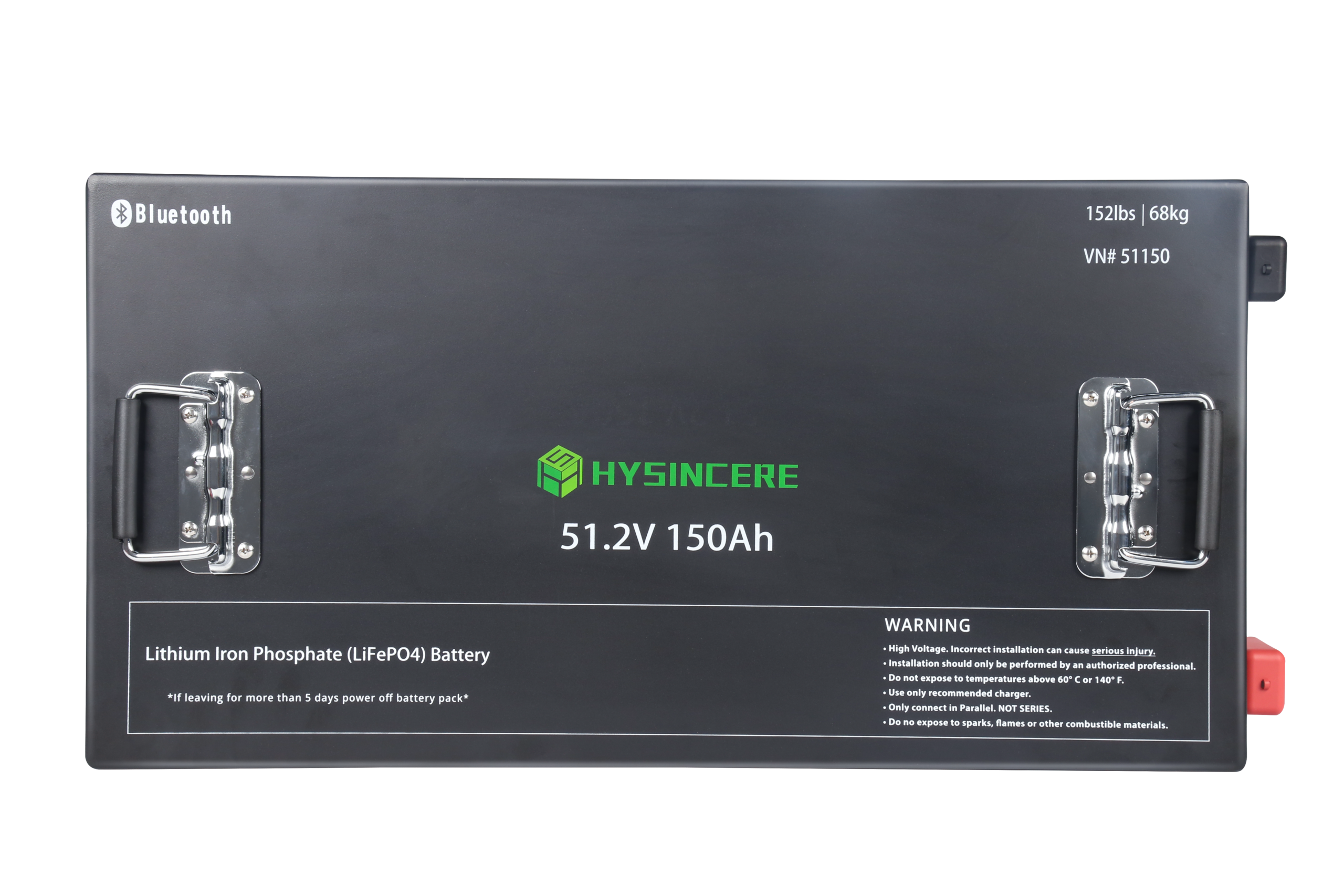
Golf cart fleet managers want their vehicles to last for multiple rounds without recharging. A higher Ah battery pack, like a 100Ah or 160Ah 48V system, provides the endurance needed for a full day of heavy use. This increases efficiency for golf courses and industrial facilities.
The Trade-offs: When Higher Ah might Not Be Better
If higher Ah only meant more run time, everyone would buy the largest battery available. But increasing the capacity of a lithium battery introduces several key trade-offs. As a manufacturer, we must advise our clients on these critical factors.
1. Physical Size and Weight
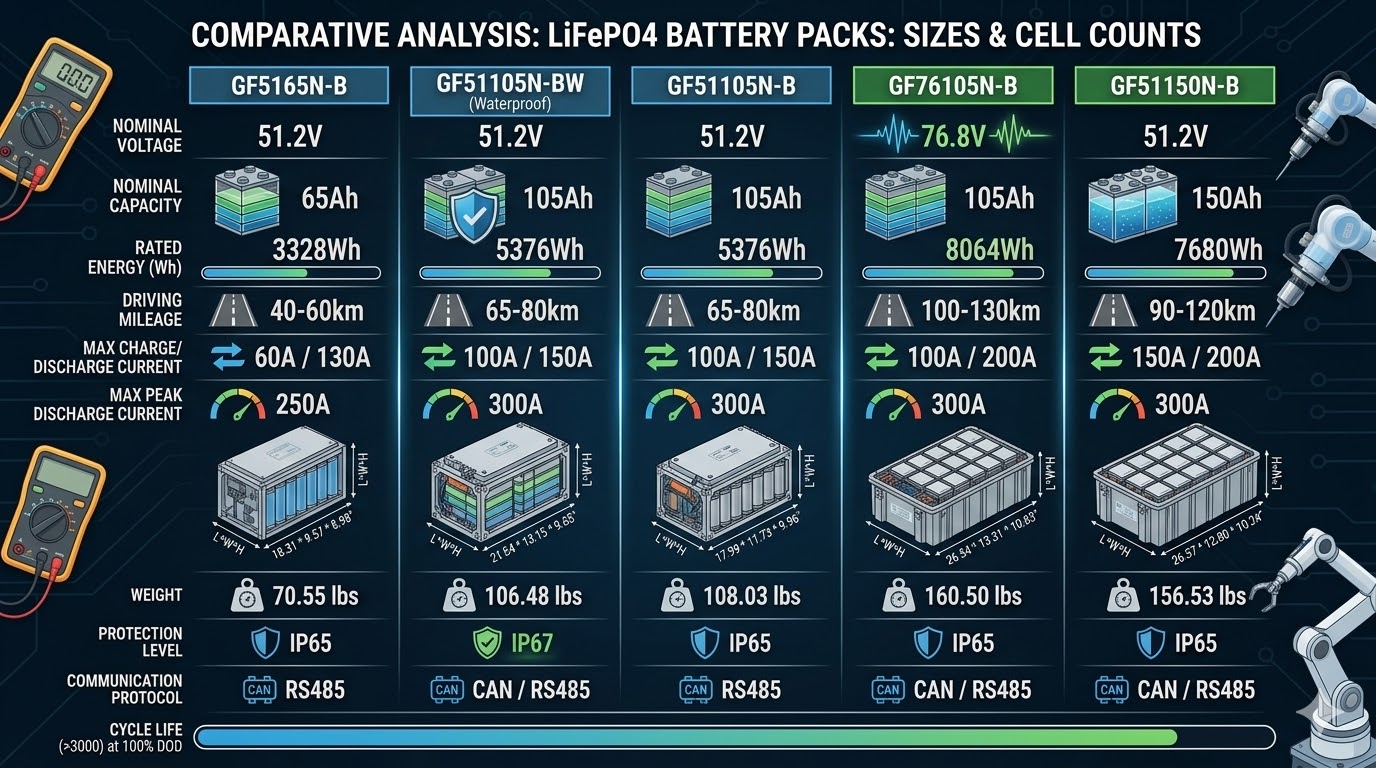
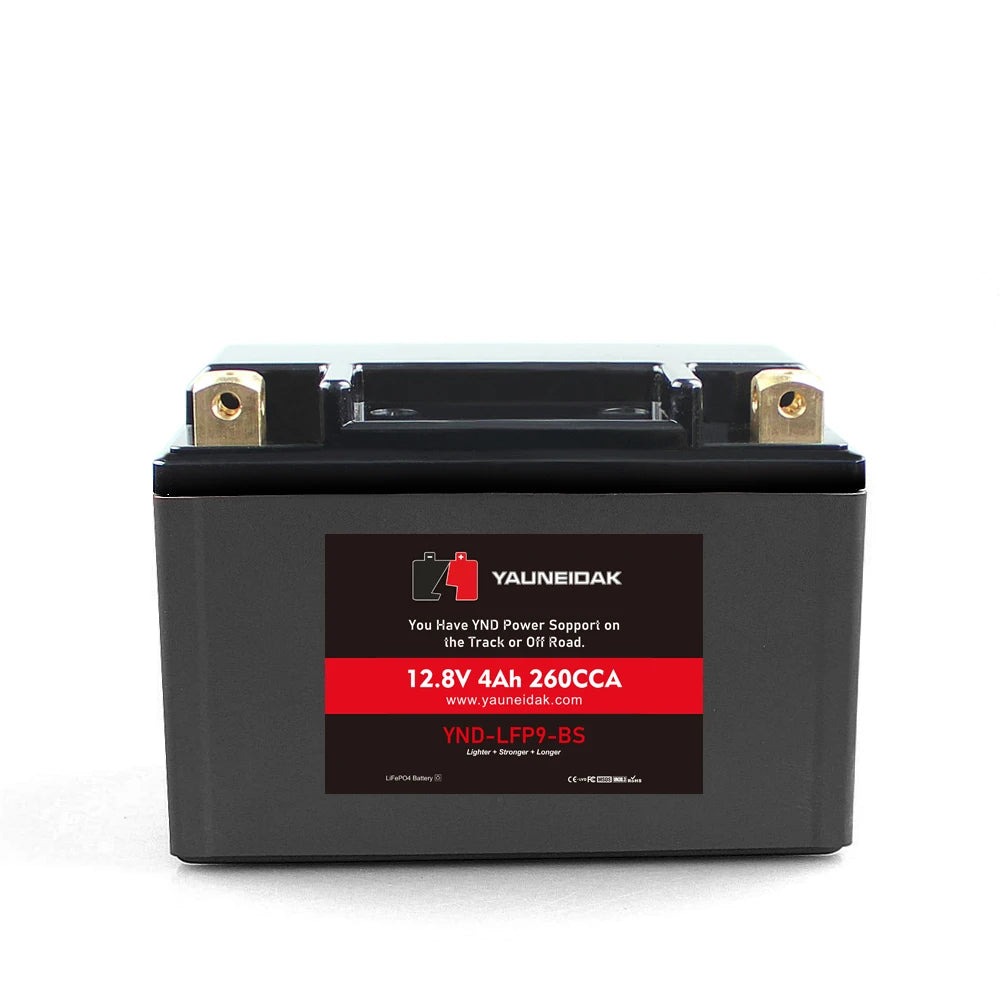
This is the most immediate limitation. To get more Ah, you need more physical battery cells inside the pack. This makes the battery larger and heavier. In many applications, space is tight. For example, a robotic AGV (Automated Guided Vehicle) or a compact portable power station may not have the room for a physically larger battery. If the higher Ah battery cannot fit into your device, it is definitely not better.
2. Cost and Budget
Lithium cells are the most expensive component of a battery pack. More Ah means more cells, which means a higher cost. A 200Ah battery will be significantly more expensive than a 100Ah battery of the same voltage and technology. If your application does not require the maximum run time, paying for extra capacity is an unnecessary expense. You must balance your performance needs with your project’s budget.
3. Charging Time
A larger “fuel tank” also takes longer to refill. If you are using the same charger, a 200Ah battery will take twice as long to charge as a 100Ah battery. If your operational workflow requires fast charging and quick turnarounds, a very high Ah battery might slow you down unless you also invest in a much more powerful (and expensive) charging system.
4. System Compatibility and BMS
Every lithium battery from Yauneidak includes a vital component: the Battery Management System (BMS). The BMS ensures safety by controlling the charge and discharge rates. Simply installing a higher Ah battery without checking your system’s requirements can be problematic. Your motor controller or inverter must be able to handle the potentially higher continuous current that a large battery can provide. Compatibility is key for safety and long-term reliability.
Final Verdict: How to Choose
Is a higher Ah battery better? The correct answer is: **It depends on your application.**
Don’t just chase the highest number. Instead, focus on the specific needs of your project. If you need maximum runtime and have the space and budget, a high Ah battery is likely the right choice. Solar storage and golf cart fleets are great examples. However, if space is limited, weight is a concern, or your budget is tight, a lower Ah battery that is perfectly matched to your device’s power draw may be a far superior and more efficient solution.
If you are still unsure which Ah rating is right for your B2B project, the expert team at Yauneidak is here to help. We can analyze your equipment’s power requirements and space constraints to manufacture the perfect custom LiFePO4 battery solution for your business.
.jpg)
.jpg)