


LiFePO4 Battery Packs for Electric Tricycles: A B2B Buyer’s Guide
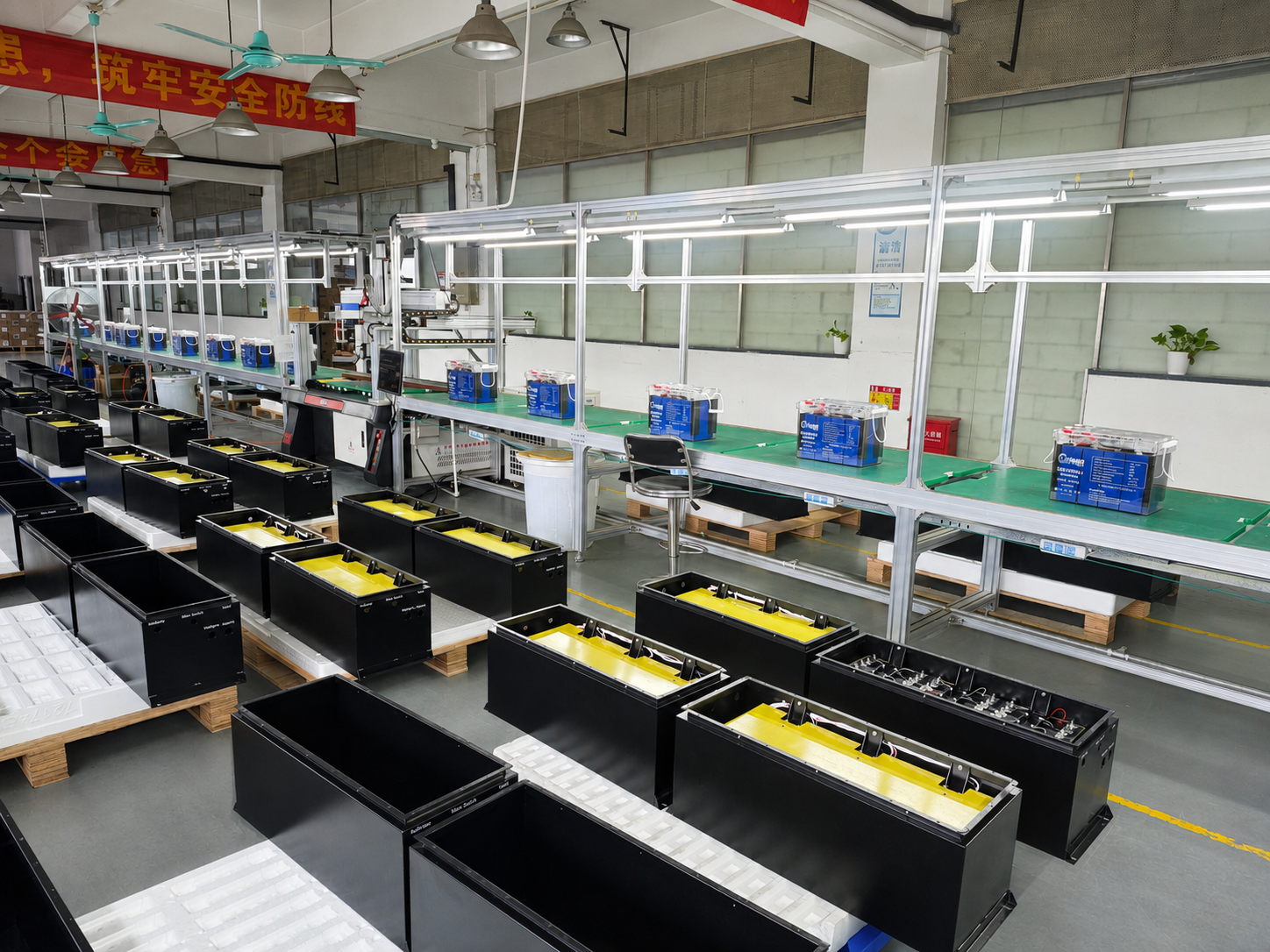
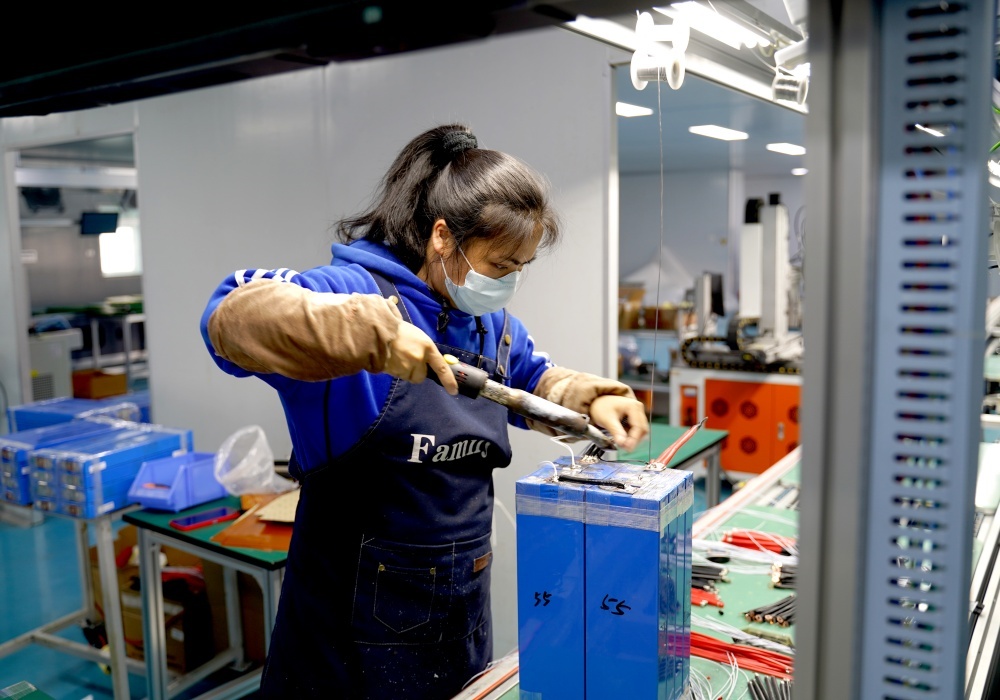
Our LFP battery assembly
Reliable Lithium Battery Solutions
Safe, Stable & Long-Lasting
UL, CE, UN38.3 Approved
Professional Logistics Support
OUR PRODUCT PORTFOLIO
Partner with YANUEIDAK for premium deep cycle batteries and boost your profit margins.We offer competitive wholesale pricing and full marketing support for our partners.



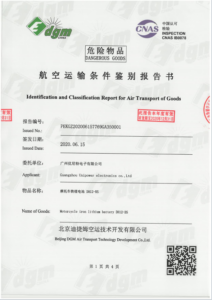
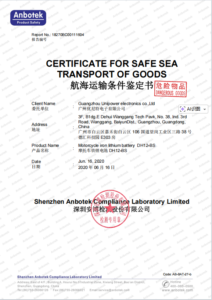
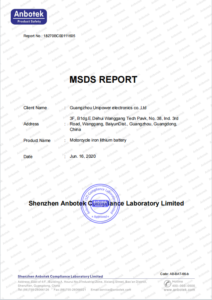
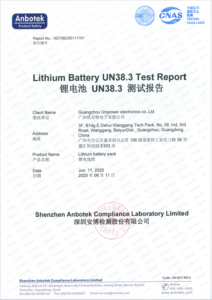
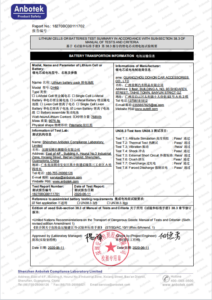
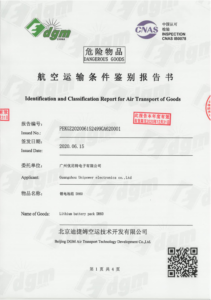
Our LFP battery assembly
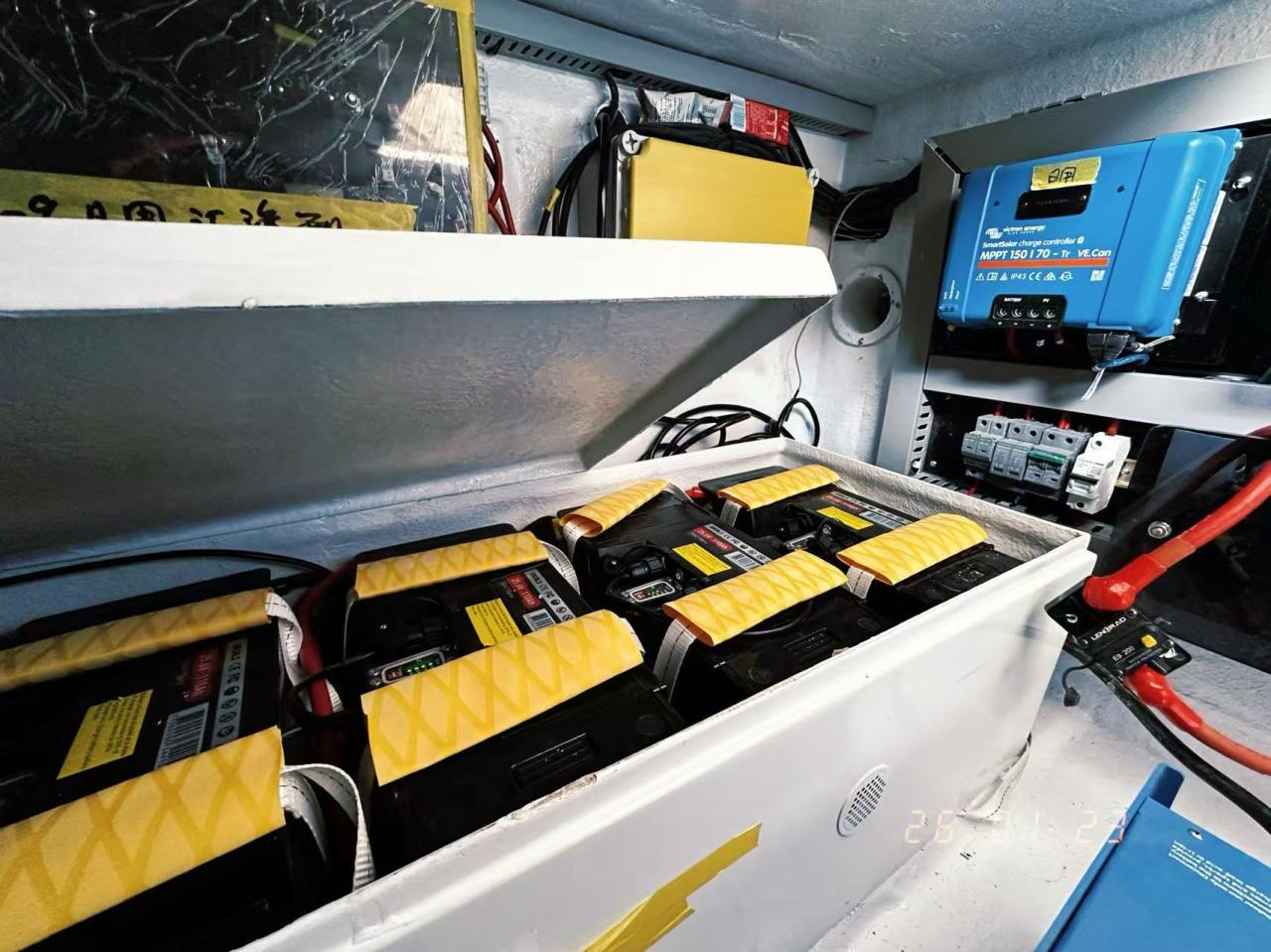
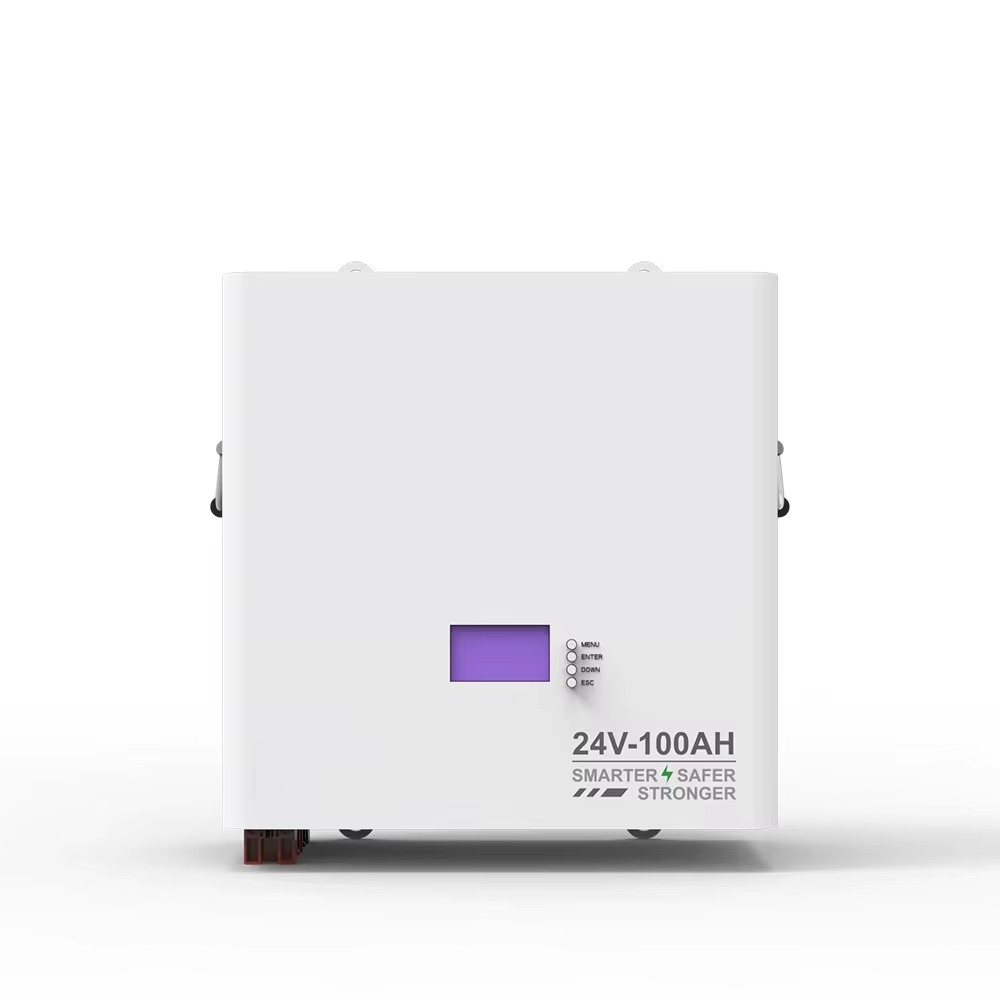
Caption: Yauneidak 12.8V
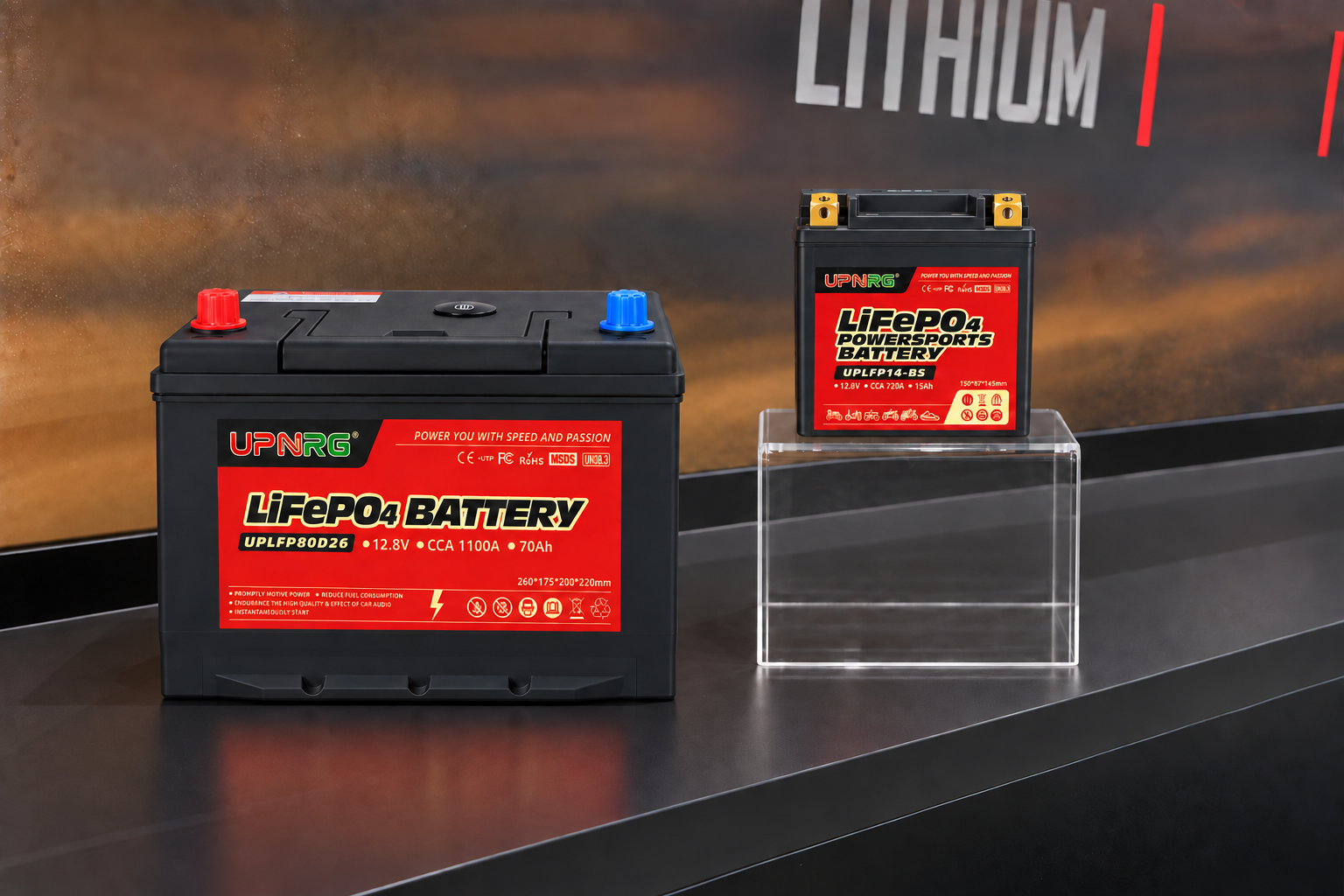
Lithium car batteries hav
Because the benefits of lithium iron phosphate batteries are not just marketing hype—they stem from… chemistry, safety, longevity, and economics:
It truly does not use cobalt or nickel → no explosive thermal runaway occurs
It provides 3,000-6,000+ practical cycles → 10-15+ years of service life
It offers 80–100% usable capacity
It provides the lowest cost of electricity per kilowatt-hour (LCOS) over its entire lifespan
It integrates seamlessly into modern solar inverters and smart battery management systems.
The advantages are significant compared to lead-acid batteries. The differences in safety and lifespan are even greater compared to other lithium battery types (such as the NMC batteries used in mobile phones and electric vehicles).
LiFePO4—also written as LFP—represents lithium iron phosphate, a specific lithium-ion battery chemistry designed for safety, chemical stability, and a longer lifespan.
It’s crucial to understand this:
Lithium iron phosphate batteries are not “just another lithium battery.”
Most consumers (and many installers) lump all lithium battery technologies together, assuming they perform the same. Lithium-ion batteries vary significantly depending on the cathode chemistry, and lithium iron phosphate batteries are uniquely optimized for energy storage applications such as solar power, off-grid power, stationary energy storage, RV systems, and industrial backup power.
Lithium iron phosphate batteries use:
Lithium (Li)
Iron (Fe)
Phosphate (PO₄)
as their cathode material.
This is a significant breakthrough because it replaces the traditional cobalt-based or nickel-based cathodes commonly found in laptops, electric vehicles, and smartphones.
Lithium iron phosphate batteries are not simply “better lithium batteries.”
By every measurable standard—safety, lifespan, efficiency, cost, reliability, and environmental impact—they are indeed a superior energy storage technology suitable for solar systems and off-grid power.
Yes, lithium iron phosphate (LiFePO4) batteries are currently the best battery technology for solar energy storage. Their chemistry is optimized for daily charging and discharging cycles, making them ideal for long-term solar applications.
The main reasons for their superior performance in the solar field:
3,000–6,000+ cycles → 10-15+ years of daily use
80–100% usable capacity
Round-trip efficiency >95% (storing and utilizing more solar energy)
Safest lithium chemistry (no thermal runaway)
Consistent voltage curve → better inverter performance
This is why lithium iron phosphate batteries have become the global standard for home batteries and solar energy storage systems (ESS).
A high-quality lithium iron phosphate (LFP) battery typically lasts for:
3,000-6,000+ cycles at an 80% depth of discharge
Equivalent to 10–15 years or more of daily use
Some advanced LFP systems can exceed 7,000 cycles with proper thermal management and charging control.
This lifespan is 10 times longer than that of lead-acid batteries and 3-5 times longer than that of NMC lithium-ion batteries in deep cycle applications.
Depth of discharge, charging conditions, operating temperature, battery material quality