
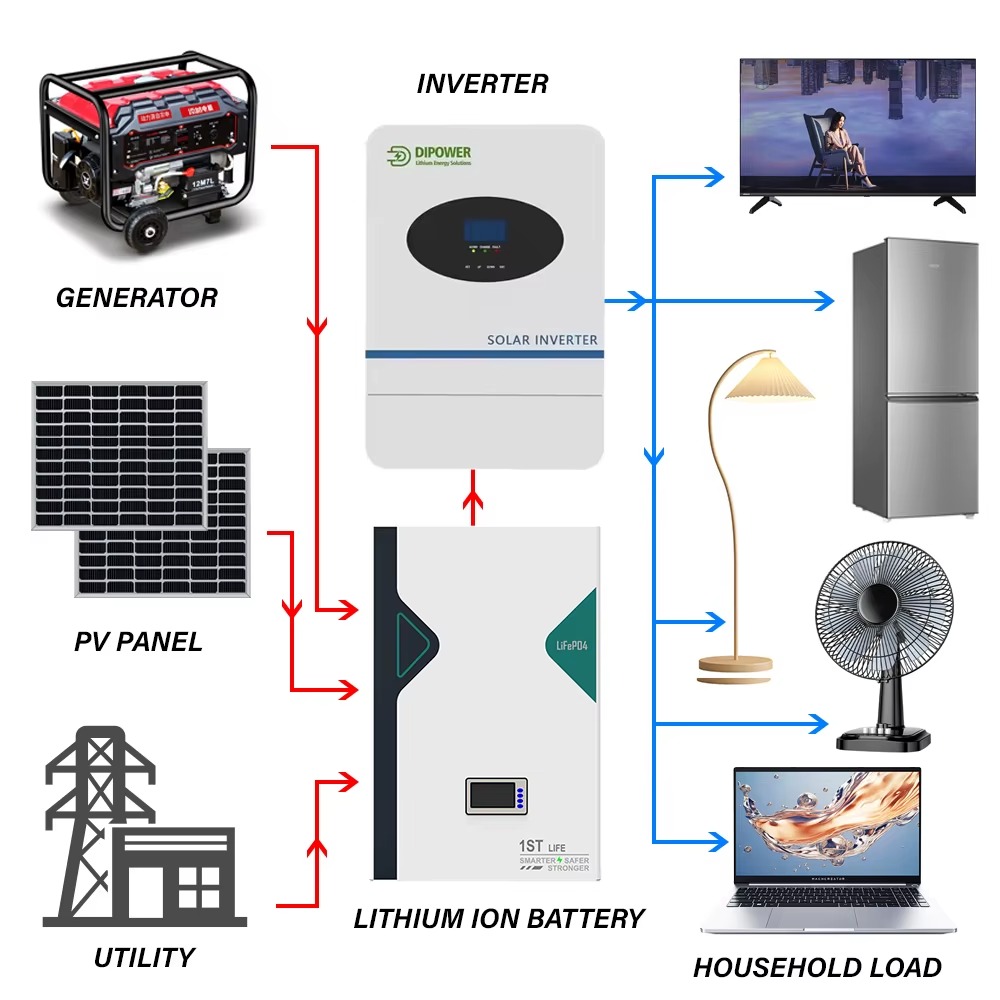
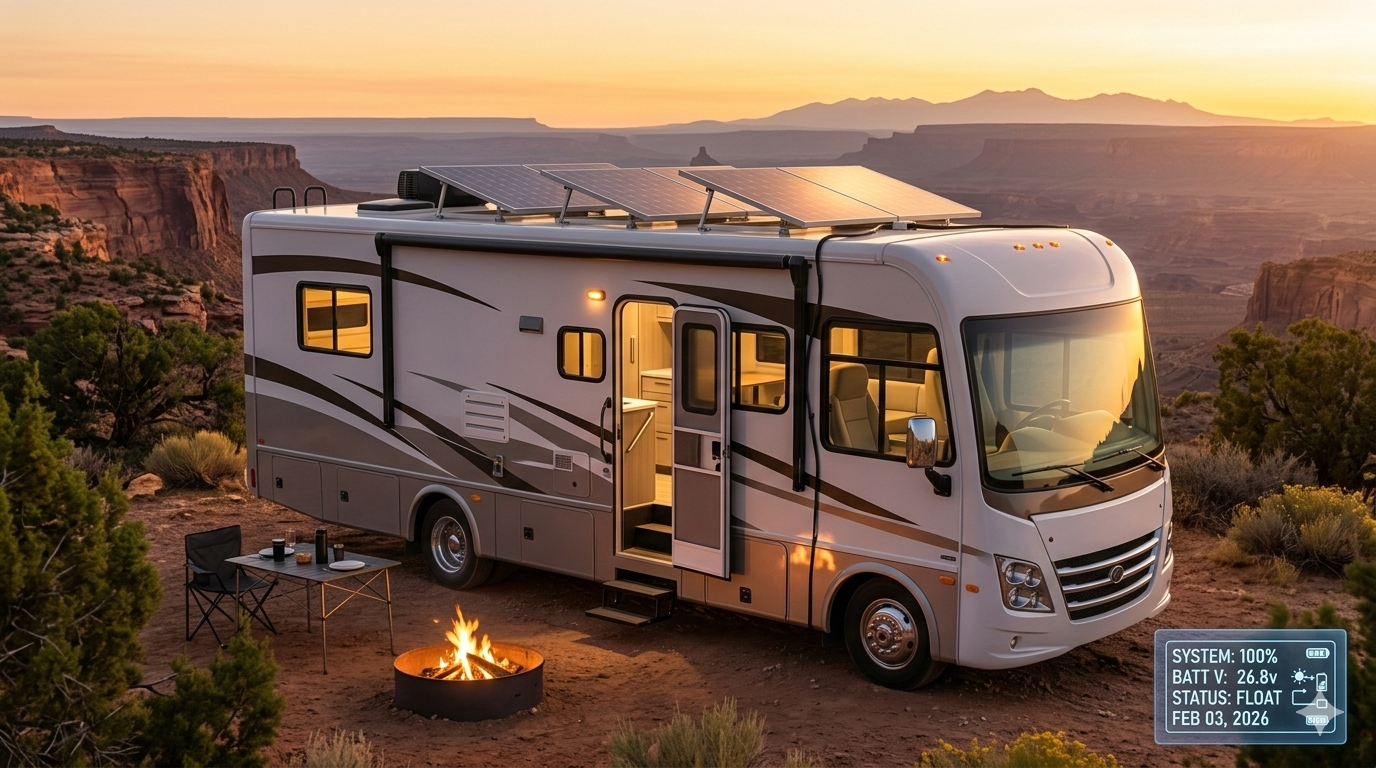
Off-grid solar gives you freedom from the utility grid. You generate and store your own power. It works great for cabins, remote homes, RVs, or backup during outages.
This guide explains the four main components most systems use. We focus on DC-coupled setups, which are simple and reliable. Info comes from real installs, U.S. Department of Energy guidelines, and SEIA standards.
Solar Panels: Where Power Starts
Solar panels turn sunlight into DC electricity. Monocrystalline panels lead in 2026. They offer high efficiency (20-25%) at good prices.
Common options: 400-550W panels (often 108-144 half-cut cells). Bifacial panels are gaining ground—they capture light on both sides for extra output.
Size your array based on daily energy needs and location sunlight hours. Connect panels in series for voltage or parallel for current. This reduces wiring.
Mounting Options: Secure and Efficient
Mounts hold panels steady and angled toward the sun. Three main types:
Roof mounts: Use existing roof space. Fast install but fixed angle may reduce output.
Pole mounts: Single pole with tilt adjustment. Good for snow shedding and cleaning.
Ground mounts: Rows on piers or racks. Best tilt control and easy access. Ideal for larger arrays.
Always face south (in Northern Hemisphere) at your latitude angle for max production.
Charge Controller: Protects Batteries
The charge controller regulates power from panels to batteries. It prevents overcharge and damage.
MPPT controllers win in most cases. They harvest 20-30% more energy than PWM by tracking the panel’s best power point. They handle higher voltages easily.
PWM is cheaper but only matches panel and battery voltage closely. Use for tiny systems only.
Many 2026 models include Bluetooth apps for monitoring via phone.
Inverter: Makes Power Usable
Inverters convert battery DC to AC for lights, appliances, and outlets.
Off-grid inverters range from 2kW to 12kW+. Size for your peak load (all devices on at once).
Inverter-chargers add generator input. They run loads from genny and charge batteries when solar is low.
Hybrid/all-in-one units are popular now. They combine MPPT controller, inverter, and charger in one box—easier setup and lithium-friendly.
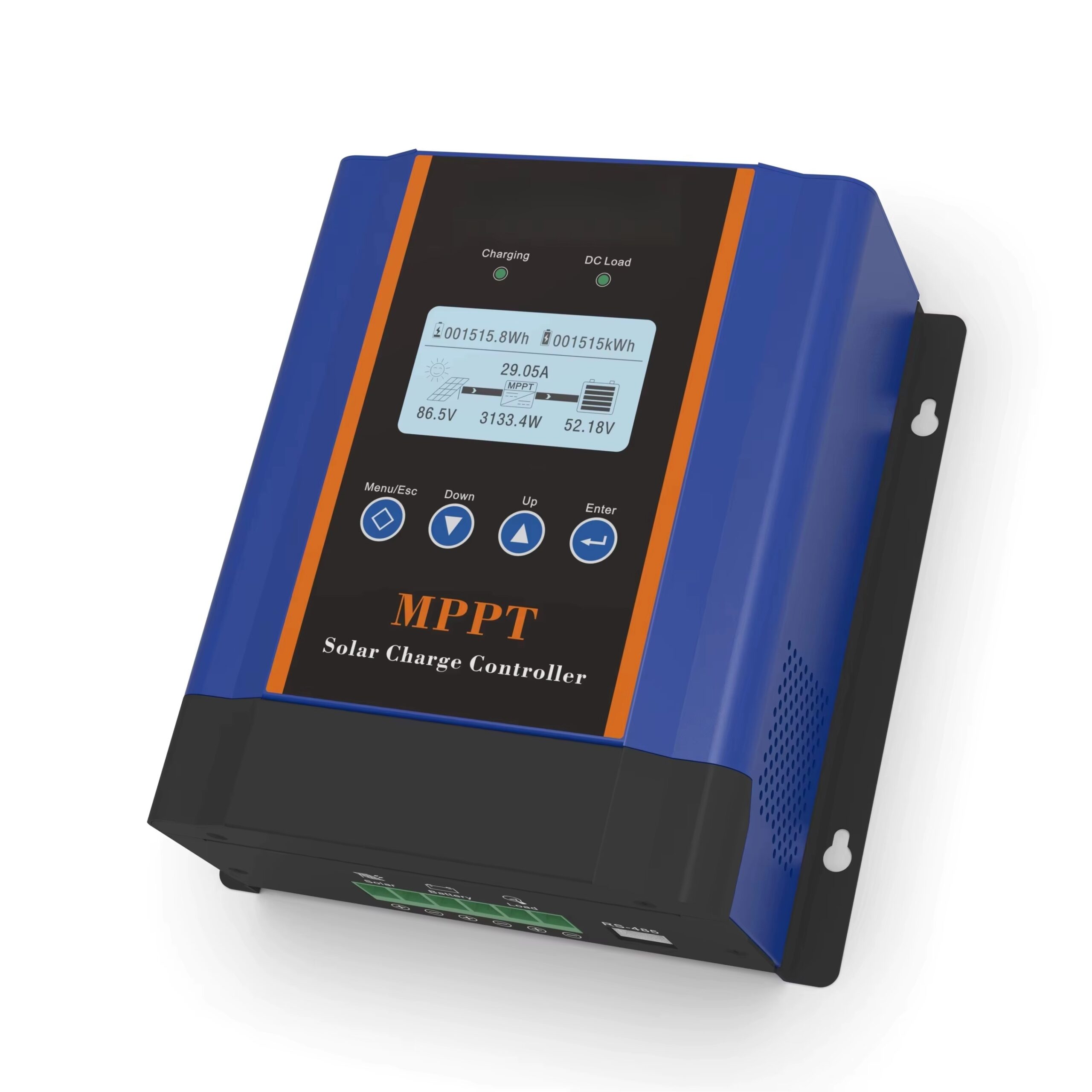
Use 48V systems for bigger setups—less wiring loss.
Batteries: Store Energy for Night & Clouds
Batteries store extra power. They are often the biggest cost—but worth it.
LiFePO4 (lithium iron phosphate) dominates in 2026. They last 10+ years, 5,000–10,000 cycles, 80-100% depth of discharge, no maintenance, built-in BMS for safety.
Lead-acid (flooded or AGM) costs less upfront but lasts 3-7 years, needs care, and you use only 50% capacity.
Lithium prices dropped sharply—better lifetime value. Size for 2-5 days of autonomy.
Extra Essentials & Tips
Add fuses, breakers, and monitors for safety. Many systems now include smart apps and auto generator start.
Plan your loads first. Use online calculators from Victron, OutBack, or Renogy. Follow local codes.
Off-grid living works best with efficient appliances (LEDs, DC fridge, propane heat).
Ready to Build Your System?
Start small and scale up gradually. Lithium-ion batteries + MPPT + hybrid inverter is currently the optimal combination for most people.
For assistance with custom design, please contact a certified installer. Or email me at info@yauneidak.com.
.jpg)
.jpg)