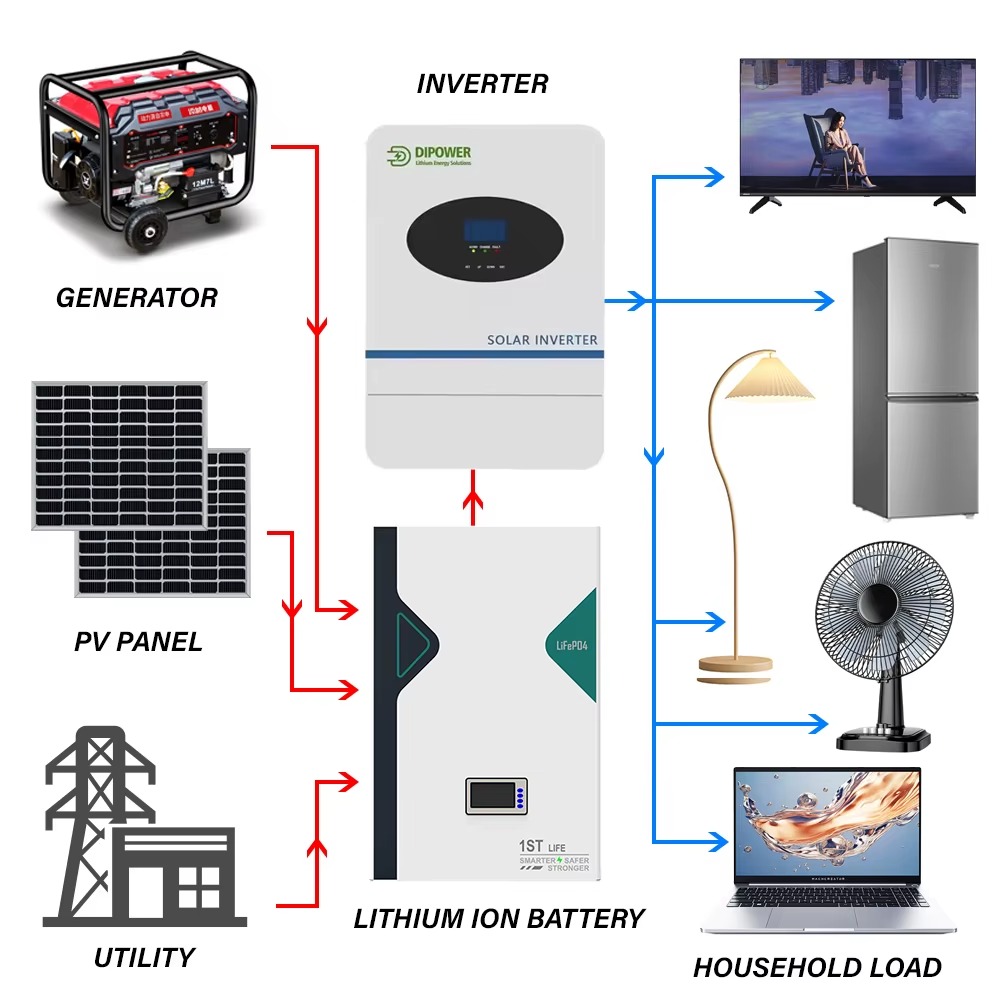
The BMS circuit board — the single component that decides whether an LFP pack charges, balances, or shuts down mid-shift.
A LiFePO4 (LFP) e-rickshaw battery that suddenly won’t hold charge, drains halfway through a shift, or refuses to charge past 70% is one of the most common complaints distributors hear from fleet operators. In most cases the cells themselves are not dead — the failure is caused by one of eight predictable, avoidable issues. This guide walks through each root cause, the symptom to watch for, and how a distributor or fleet operator can prevent it before the pack comes back under warranty.
1. Using a Lead-Acid Charger on an LFP Pack
Symptom: The charger shows green immediately, or the pack never reaches full voltage. Cause: Lead-acid chargers use a different charge curve (higher absorption voltage, bulk then float) that prematurely trips the LFP BMS protection. Fix: Always ship the pack with a matched CC-CV LFP charger. When operators upgrade a fleet from lead-acid to LFP, the old chargers must be replaced — not reused. Distributors should include one LFP charger per pack in the first container order to eliminate this support ticket on day one.
2. BMS Shutdown After Deep Discharge Below 2.5V Per Cell
Symptom: The pack appears completely dead — no output, no charging current. Cause: When any single cell drops below roughly 2.5V, the BMS locks both charge and discharge output to prevent permanent damage. If the pack sits like that for weeks, the low cells can no longer be recovered. Fix: Train drivers not to run the pack to zero; a 20%–80% operating window doubles real-world cycle life. For recovery, a factory-level BMS reset tool or a low-current “wake-up” charge is required — telling operators to use a normal charger will not work.
3. Cell Voltage Imbalance Above 0.3V
Symptom: The pack charges to only 70–90%, then the BMS cuts off early even though the indicator says it should be fuller. Cause: In a multi-cell series pack (16S for 51.2V, 20S for 64V), one weak cell reaches full voltage first and the BMS stops charging to protect it. Fix: Use a BMS with active or at least strong passive balancing (60mA+), and specify matched cells with tight capacity tolerance at the factory. Distributors should ask their supplier for cell-matching data before placing volume orders.
4. Overloading the Rickshaw With Cargo or Passengers
Symptom: Battery range drops noticeably within 6–12 months, even though the vehicle seems fine. Cause: Overloading forces sustained high current draw, which heats the cells and accelerates degradation. Field reports from Indian three-wheeler fleets show packs failing inside 8 months when overloading is the norm. Fix: Specify a BMS with a continuous discharge rating (e.g. 45A) that matches the vehicle’s motor peak current, and communicate the payload limit to operators. A higher-current BMS costs more upfront but avoids warranty claims later.
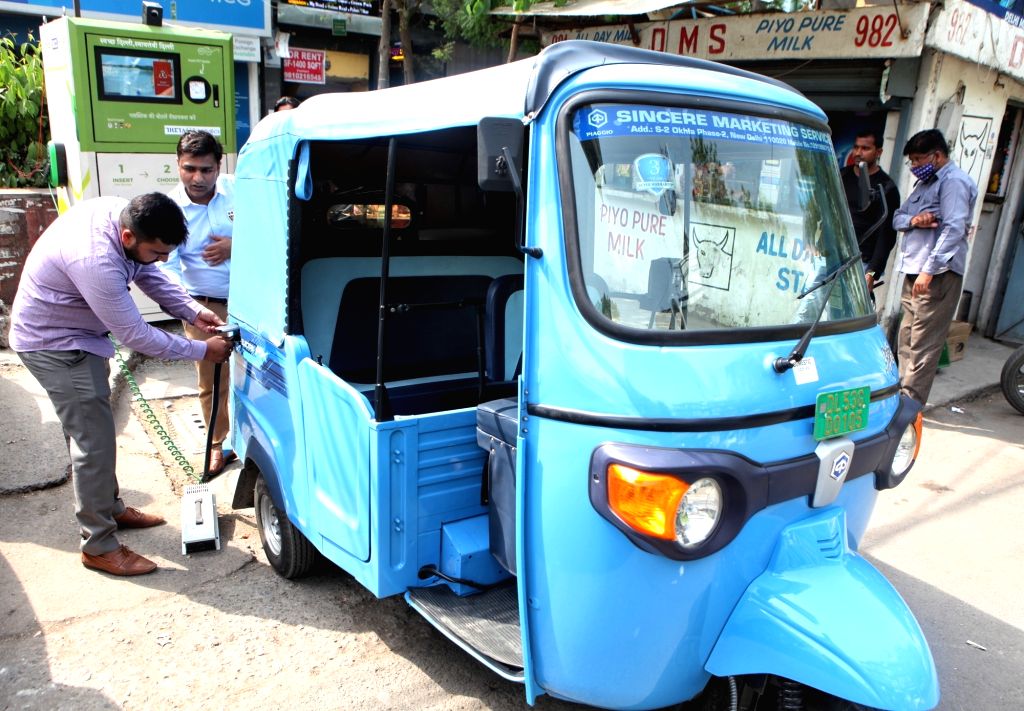
An e-rickshaw driver plugs in on a New Delhi street — most “battery won’t hold charge” complaints start at the charger or the socket, not the cells.
5. Operating Above 45°C in Tropical Heat
Symptom: The pack holds charge in the morning but sags on hot afternoons; cycle life falls far short of the advertised 4,000 cycles. Cause: LiFePO4 is far more thermally stable than NMC, but every 10°C rise above 25°C still reduces cycle life noticeably. Packs mounted under the seat on a metal floor, parked in direct sun, see real cell temperatures above 50°C. Fix: Specify a BMS with NTC temperature sensors and a high-temperature charge cutoff. Ask the factory about thermal padding and ventilation design for packs sold in South Asian and East African summer markets.
6. Water or Dust Ingress Beating the IP Rating
Symptom: The pack fails after a rainy season, or corrosion appears on terminals. Cause: IP54 is the minimum for splash and dust, but a pack washed down with a pressure hose, driven through flooded streets, or mounted under a vehicle with poor sealing will let water in. Fix: Ask for IP65 sealing on packs destined for rainy markets (Dhaka monsoon, Tanzanian long rains). Confirm the BMS connector is potted, not just taped, and that the casing uses silicone gaskets rather than foam.
7. Stored at Low SOC for Months
Symptom: A brand-new pack from the warehouse shows reduced capacity on first installation. Cause: LFP packs self-discharge slowly, but if they sit at 0–20% SOC in a warehouse for 6+ months, individual cells can drift below the recovery threshold. Fix: Warehouse policy: store LFP packs at 40–60% SOC and top up every 3–4 months. Distributors receiving container stock should note the production date and rotate inventory — packs older than 6 months should be balance-charged before sale.
8. Vibration and Loose Connections on Rough Roads
Symptom: Intermittent power cutouts, or the pack works fine on smooth roads but cuts out on potholed village routes. Cause: Vibration fatigue loosens terminal bolts, BMS connectors, and internal busbar welds over months. A loose connection creates local heat, which accelerates degradation. Fix: Specify reinforced mounting brackets, lock nuts on power terminals, and strain relief on BMS wiring harnesses. For hilly markets (Kathmandu valley, rural Tanzania), ask the factory to run a vibration test on the pack design before bulk orders.
Prevent Warranty Claims Before They Happen
Most e-rickshaw LFP failures are not cell failures — they are charger mismatches, BMS protection trips, thermal stress, or poor installation conditions. A distributor who specifies the right BMS, includes matched chargers, and trains operators on 20–80% charging habits will see dramatically fewer warranty returns than one who buys on price alone.
Get a Trouble-Tested LFP Pack for Your Market
At Yauneidak, every 51.2V, 64V and 72V e-tricycle LFP pack ships with a factory-matched CC-CV charger, a temperature-sensing BMS with active balancing, and reinforced terminals designed for rough-road and tropical operation. Request a distributor quotation and tell us which market you are serving — we will spec the BMS cutoff thresholds, IP rating and charger profile around your local operating conditions, not around a generic catalog SKU.